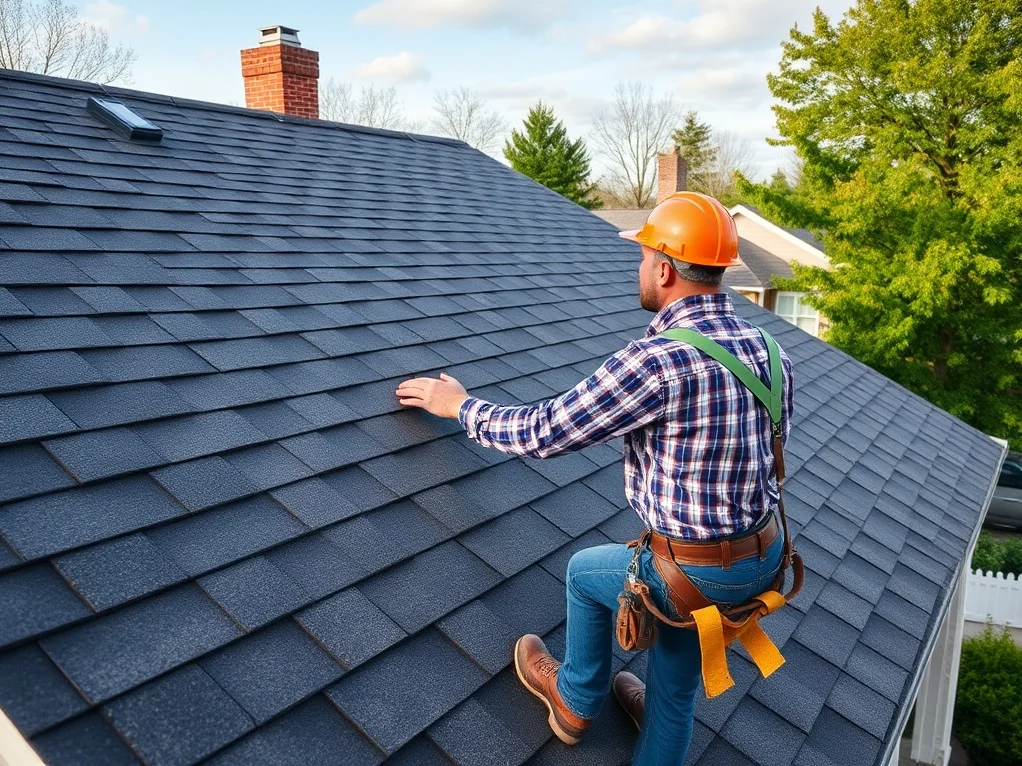
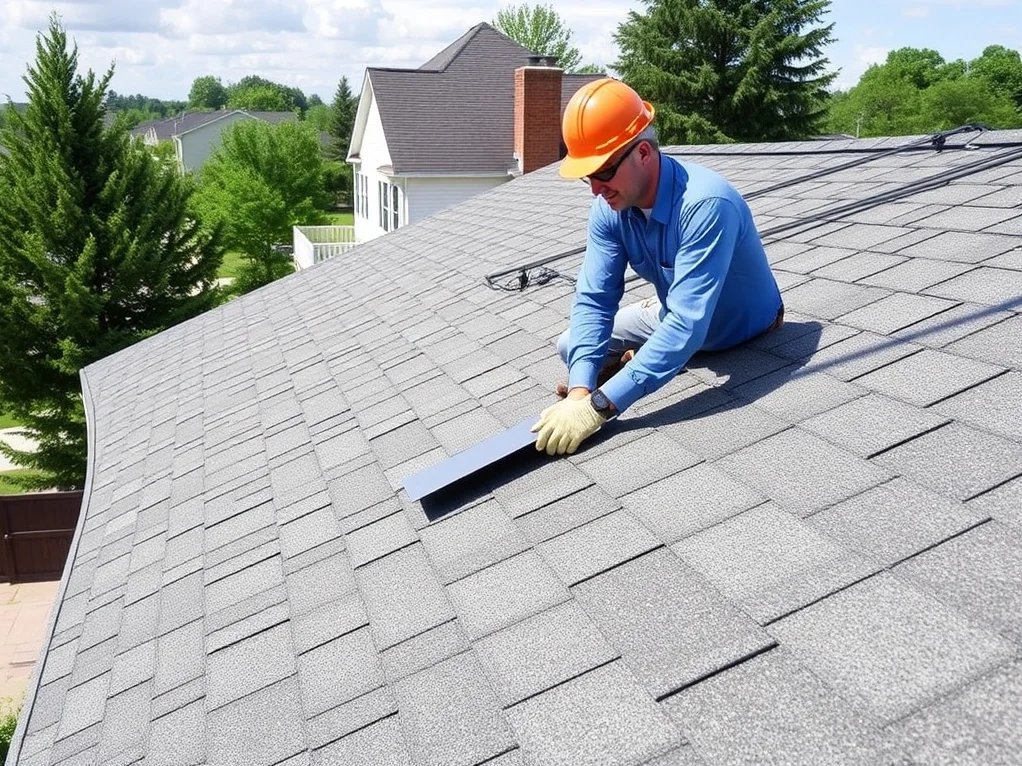
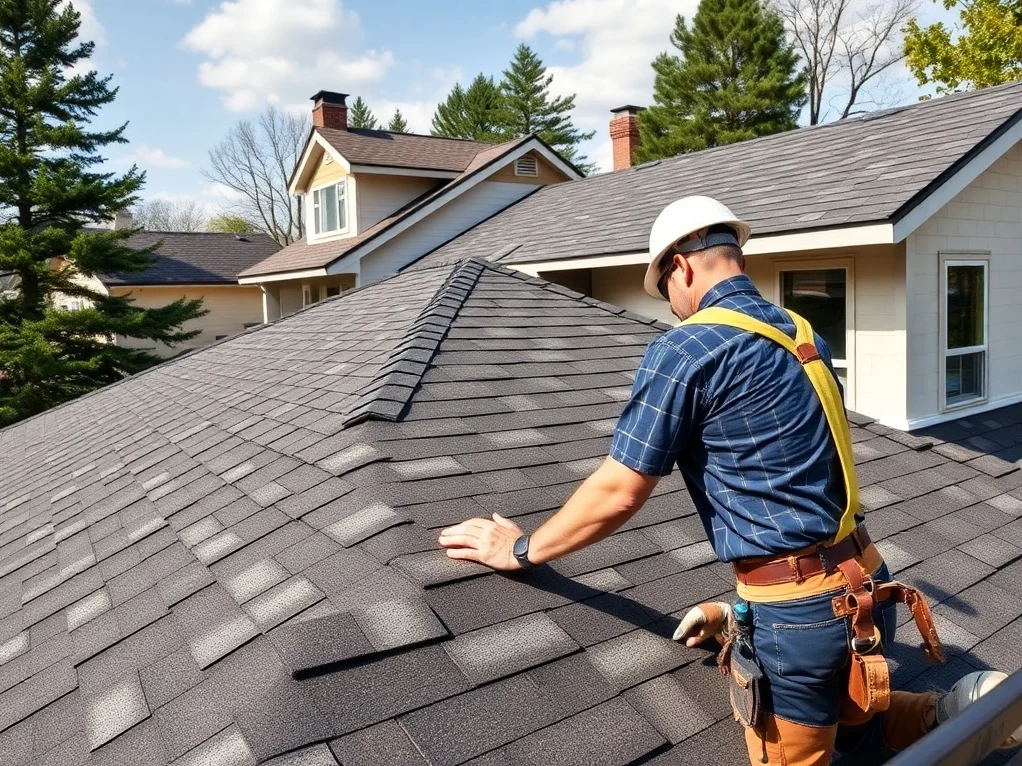
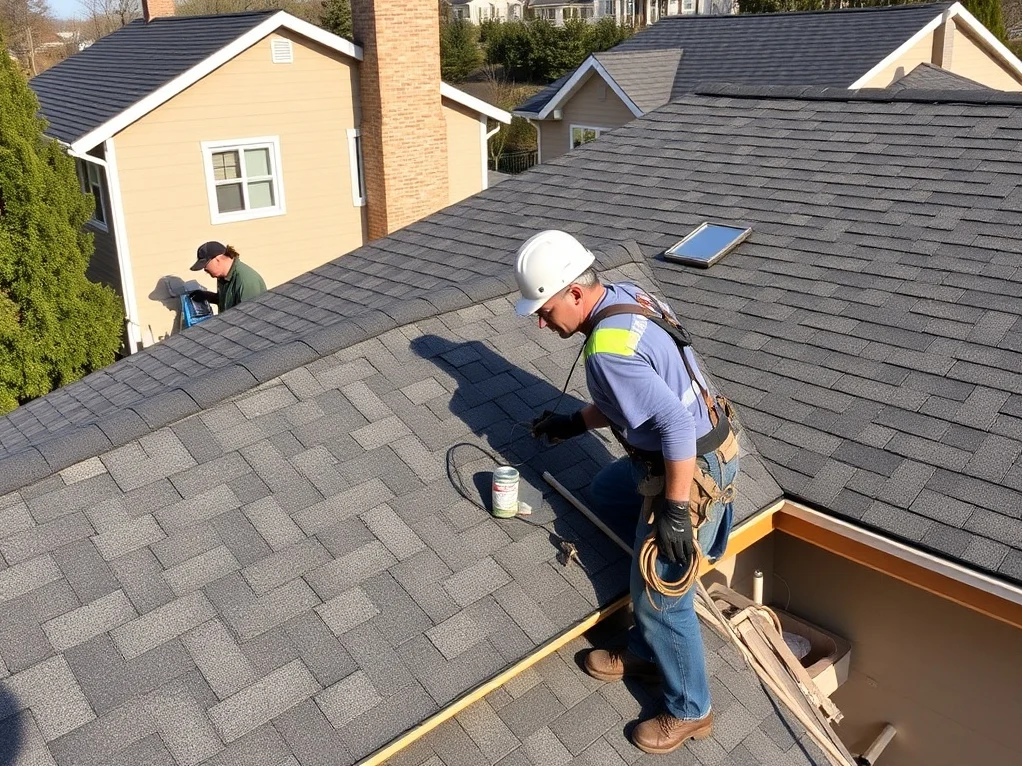
Metal roofing is a panel system, not a bundle of shingles, so the job starts with a roof inspection of the decking and every penetration.
We check the plywood or OSB sheathing for rot and decay, tear off the old asphalt shingle or cedar shake, and confirm the rafters and trusses below are sound.
We do not overlay panels on failing shingles. A recover that traps moisture under metal is a short-lived roof, so the tear-off comes first.
Standing-seam panels are roll-formed to length, which leaves the roof face nearly free of seams that water can seep through.
We install 24- and 26-gauge standing-seam steel, aluminum where corrosion is a concern, and stone-coated steel from McElroy Metal, ATAS, and Decra for shake, slate, clay tile, and concrete tile profiles.
Exposed-fastener corrugated panels cost less up front and shrug off hail, but each gasketed fastener deserves a look after a hailstorm in late spring.
A PVDF or SMP coating resists chalking and peeling, and a lighter color paired with attic ventilation cuts heat gain through the roof deck in July.
That ventilation also keeps attic air moving, so ice dams form less often at the eave. Attic insulation is the other half of the story.
Here is what we build into every roof that has to survive a Twin Cities winter:
- Standing-seam panel: concealed clips let the metal expand and contract through freeze-thaw cycles without backing out a single screw.
- Underlayment: a synthetic underlayment covers the whole deck, with a self-adhered ice-and-water shield at the eave, valley, and every dormer.
- Flashing: step flashing and counter-flashing at sidewalls, apron flashing and chimney flashing at masonry, and boot flashing around each vent boot and pipe flashing at every stack.
- Ridge cap and drip edge: a ridge cap paired with a ridge vent lets attic air escape, and metal drip edge carries runoff off the fascia into the gutter.
- Fasteners and sealant: ring-shank nails and panel adhesive at the clips, then bead sealant where a panel meets a chimney, skylight curb, or parapet coping.
- Coating: a PVDF finish on steel or aluminum outlasts thin paint and fights UV degradation far longer than bare metal.
Snow guards matter here. Without them, a thaw sends a sheet of snow off the rooftop onto a walkway, an awning, or a car in the driveway.
With shingles you plan the starter course and staggered courses; with panels you plan clip spacing, panel length, and how the last metal panel locks into the rake trim.
Not every roof wants metal. A mansard or gambrel with one low-slope face over a porch usually needs a membrane instead.
There we use TPO, EPDM, or a PVC membrane, and a scupper keeps a parapet section from holding water it cannot drain.
On older buildings, a built-up roof with modified bitumen still makes sense. We strip the roofing felt, tar paper, and brittle bitumen before anything new goes down.
Homeowners usually call us after a few specific things show up:
- Rust flakes and peeling paint on a rooftop, which usually means the coating has failed and the steel underneath is oxidizing.
- Rust streaks running down a chimney or over a dormer, a sign that flashing and sealant have opened up.
- Fasteners backing out of corrugated panel, leaving a screw head proud enough to catch water and vibrate loose.
- Dents from hail across an exposed-fastener roof, which can flatten the ribs and trap water along the lap.
- Sag in the roofline near a valley, where water has wicked into the decking and started rot underneath.
- Granule loss and bald patches on a neighboring shingle roof, a fair warning the underlayment is at end-of-life wear too.
Any roofer can sell panels. A roofing contractor who understands how an ice dam forms will also sell you the details that stop one.
Metal roofing has to satisfy building code for snow load and roof pitch, so we size purlins, battens, and counterbatten to a sealed detail rather than guessing.
Roof anchors go in before the first panel, so nobody drills into finished metal later to hang a ladder or a safety harness.
A torch stays off a metal roof, because open flame and coated steel do not mix. We finish penetrations with roof cement, mastic, or a bead of caulk instead.
Our process runs in a fixed order, and you know each step before it happens:
- A roof estimate that lists the square count, tear-off, decking repairs, and materials as line items, never one lump sum.
- A dumpster and debris chute set in the driveway, with scaffolding and a ladder staged clear of the gutters and downspout.
- Tear-off of the shingles or old panels, then a deck inspection with a pry bar and a roofing shovel to find soft sheathing.
- Replacement of rotted plywood, then underlayment, ice-and-water shield, and drip edge before the first panel goes down.
- Panel install with a nail gun and air compressor, a roofing square to check pitch and stagger, and a safety harness on anything steep.
- A final walk with you, plus a magnet sweep for stray nails and screws in the lawn and flower beds.
On a hip or gable roof, the verge and rake trim get the same attention as the field, because that edge takes wind uplift first.
We add a vapor barrier over the warm side of the attic, seal around the soffit vent and attic fan, and check joists and the ridge beam for movement.
A small canopy over a side entry or a wide overhang still needs flashing and drip edge above it, and those details are where we spend our time.
Old three-tab shingle goes in the dumpster. Architectural shingle and asphalt shingle tear-offs are heavier, so we size the dumpster around the square count.
We reseal and maintain these details on an annual walk, because restoring a metal roof is far cheaper than replacing one.
The goal is waterproofing that lasts, not weatherproofing that needs a fresh coat every spring.
If you want a free estimate, call Minneapolis Roof Pros at 612-979-0693 and we will walk the roof with you.